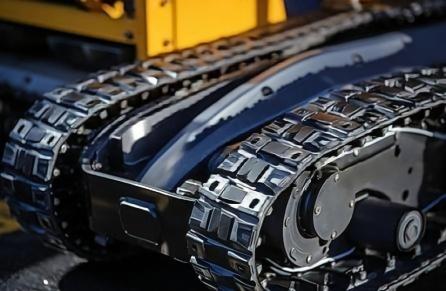
Undercarriage maintenance consumes roughly half of the operating budget for track-type heavy equipment. Fleet managers know this financial reality well. Operators usually trigger the purchasing process after routine daily inspections. They spot oil leaks around rollers, find loose track bolts, or measure chain pitch elongation pushing past OEM wear limits. Ignoring these warning signs leads to severe mechanical consequences. Buying mismatched or improperly heat-treated excavator undercarriage parts creates immediate operational risks. Substandard components accelerate wear across the entire track system. They trigger catastrophic field failures and multiply costly downtime hours. Procurement officers need a systematic, technical evaluation framework. You must verify dimensional accuracy, metallurgical integrity, and supplier reliability before finalizing any purchase order. Relying on guesswork or unverified specifications guarantees premature equipment failure.
Key Takeaways
Dimensional Accuracy is Non-Negotiable: Verifying exact machine models, serial numbers, track pitch, and bolt hole configurations is required to prevent fitment failures.
Material and Heat Treatment Dictate Lifespan: Budget parts often utilize low-mid grade steel; buyers must demand proof of induction hardening depth and metallographic testing.
Synchronous Replacement Maximizes ROI: Mixing new components with severely worn parts (e.g., a new chain on an old sprocket) accelerates wear and negates the value of the new investment.
Supplier Vetting Secures Warranties: A reliable construction machinery parts supplier provides transparent warranty terms, verifiable quality control data, and itemized quotations.
Success Criteria: Framing the Procurement Decision
Working environments dictate the required steel grade and seal quality for your equipment. High-abrasion silica sand acts as a grinding paste on metal surfaces. It rapidly destroys standard seals and accelerates bushing wear. Acidic mud introduces corrosive elements that attack exposed metal and degrade rubber components. Submerged water conditions demand superior dual-cone floating seals to prevent water ingress into roller bearings. High-impact rock environments require maximum structural toughness to prevent track shoes from bending or cracking under concentrated point loads. You must match the component specifications directly to your most common job site conditions.
Equipment scale heavily influences procurement strategies. Full-sized production machines require massive structural integrity to handle constant heavy lifting and digging forces. Mini excavators face different challenges. They often operate in tight, abrasive environments. Budget aftermarket parts for mini excavators represent a specific vulnerability. Manufacturers sometimes use low-mid grade steel in mini excavator idlers and bearings to cut production costs. These inferior metals fail rapidly when exposed to harsh sand or water conditions. The structural deformation happens quickly, leading to track derailment and immediate downtime.
Evaluating Original Equipment Manufacturer components against premium aftermarket alternatives requires a strict technical lens. You must focus on parity in manufacturing standards rather than brand names. Premium aftermarket manufacturers often use the exact same steel grades and heat treatment processes as OEM factories. They achieve identical Rockwell hardness ratings and utilize equivalent floating seal technology. When sourcing heavy equipment replacement parts, demand metallurgical documentation. Compare the induction hardening depth, bearing materials, and casting techniques. A high-tier aftermarket part with verified specifications performs identically to an OEM part in the field.
Logging operations expose undercarriages to constant stump impacts and debris buildup. This requires specialized heavy-duty track guards and thicker track shoe profiles. Waste management facilities deal with wire and debris wrapping around final drives, destroying seals. You must specify parts designed to handle these exact hazards. Standard dirt-moving specs will not survive in a scrap yard. Matching the exact operational hazard to the component design prevents premature failure.
Component-by-Component Evaluation Checklist
Excavator Track Chain Assembly and Track Shoes
Track pitch measurements determine the health of your entire undercarriage. You must verify these dimensional tolerances against OEM standard limits. Measure the distance across four track pins to calculate the average pitch. As pins and bushings wear internally, the chain stretches. This elongation prevents seamless engagement with the sprocket teeth. When the pitch exceeds the allowable limit, the sprocket begins grinding against the bushings. Verifying this measurement justifies the exact timing for replacing the excavator track chain assembly. Never install new track shoes on a severely stretched chain.
Pin and bushing integrity relies entirely on advanced heat treatment. These components require high surface hardness to resist external abrasion from soil and sand. Simultaneously, they need a tough, ductile core to absorb heavy impact forces without snapping. If the steel is too brittle, the pins shear under load. If it is too soft, internal wear accelerates rapidly. You must confirm the manufacturer uses specialized induction hardening to achieve this dual-property requirement.
Seal and lubrication types vary based on application requirements. Dry chains feature no internal lubrication. They work adequately for smaller machines in low-impact environments. Greased chains offer better internal friction reduction. Polyurethane-sealed chains, often called SALT (Sealed and Lubricated Track), represent the highest standard. They trap synthetic oil inside the pin and bushing cavity. This prevents internal friction entirely until the seal eventually fails. SALT configurations drastically extend the lifespan of heavy production machines operating in abrasive conditions.
Track shoe selection also demands careful consideration. Single grouser shoes provide maximum traction in soft dirt or mud but cause severe vibration on hard surfaces. Double or triple grouser shoes reduce ground penetration but offer smoother travel and better turning capability on rocky or paved sites. Selecting the wrong shoe profile increases stress on the entire track frame. The thickness of the shoe plate determines its resistance to bending. Heavy-duty applications require extreme-service shoes cast from boron-alloyed steel.
Evaluating Excavator Track Rollers and Carrier Rollers
Bearing selection determines how well a roller handles extreme machine weight. Bi-metal bushings consist of a steel backing with a thin layer of softer bearing material. They function well in standard conditions but struggle under continuous heavy loads. Heavy-duty bronze bearings offer superior load-bearing capacity and better heat dissipation. When a machine constantly travels over uneven rocky terrain, bronze bearings prevent premature internal failure. You must specify the bearing type when ordering excavator track rollers for severe applications.
Lubrication and sealing systems keep the rollers spinning freely. Lifetime-lubricated rollers come filled with synthetic oil from the factory. They require zero maintenance during their operational life. The success of this system depends entirely on dual-cone floating seals. These precision-lapped metal rings press together tightly, creating an impenetrable barrier. They prevent abrasive mud, sand, and water from entering the bearing cavity. If a seal fails, oil leaks out, dirt enters, and the roller destroys itself within hours.
Wear characteristics dictate when a roller requires replacement. Measure the rim thickness regularly. As the roller travels across the track links, the rim gradually wears down. Uniform heat treatment across the entire roller surface prevents uneven wear patterns. If the heat treatment is inconsistent, the roller develops flat spots or severe flanging. Thin rims eventually crack under the weight of the machine, leading to complete structural collapse.
Carrier rollers, or top rollers, support the weight of the upper track chain. While they do not bear the machine's full weight, they endure constant rotational friction. A seized carrier roller forces the track chain to drag across its surface, grinding flat spots into the roller and wearing down the track links. Inspect carrier roller brackets for stress fractures. The mounting pedestals often pack with hardened mud, which can freeze the roller in place during cold weather operations.
Sprockets, Idlers, and Tensioning Components
Sprockets drive the entire track system. They require deep induction hardening on the tooth profile. The hardened layer must extend deep into the steel to match the wear rate of the track chain assembly. If the hardening is too shallow, the sprocket teeth wear down rapidly once the thin protective layer breaches. Sharp, pointed sprocket teeth indicate severe wear. They will quickly destroy the bushings on a new track chain.
Idlers guide the track and maintain alignment. You must evaluate the idler casting quality carefully. Look for smooth surfaces without visible porosity or casting voids. Internal voids weaken the structure, causing the idler to split under heavy frontal impacts. Bearing durability inside the idler dictates its lifespan. The idler absorbs massive shock loads when the machine strikes rocks or stumps. Robust internal bearings and high-quality floating seals ensure the idler continues spinning smoothly.
The suspension and tensioning system acts as the undercarriage's shock absorber. Inspect the recoil springs and track adjusters closely. Recoil springs compress to absorb sudden impacts, protecting the final drive and track frame. Over time, these heavy springs experience metal fatigue. They sag or break entirely. Track adjusters maintain the correct tension on the chain. A failing tensioner allows the track to run loose, causing derailments. Installing new tracks over a damaged tensioning system guarantees immediate component destruction.
Grease valves on the track adjusters frequently fail due to debris contamination. A leaking valve bleeds pressure, causing the track to loosen during operation. Mechanics must clean the valve area thoroughly before adding grease to prevent pushing dirt directly into the hydraulic cylinder. If the cylinder barrel is scored or pitted from rust, replacing the seals will not stop the leak. You must replace the entire tensioner assembly to maintain proper track tension.
Technical Specifications to Verify Before Requesting an Excavator Spare Parts Quotation
Accurate procurement starts with precise machine identification data. Suppliers cannot guess your equipment specifications. You must provide the exact Make, specific model number, and the series or dash number (e.g., PC200-8). Most importantly, provide the exact machine serial number. Equipment manufacturers frequently update undercarriage designs mid-production. A serial number ensures the supplier matches the exact bolt patterns and dimensional tolerances used on your specific build block.
Metallurgical documentation separates premium parts from cheap imitations. Instruct your procurement team to request detailed material composition sheets. Track shoes should utilize boron steel (like 23MnB) for maximum resistance against bending and abrasion. Track links typically require 50Mn or 40MnB steel. Demand hardness test reports showing Rockwell Hardness (HRC) ratings. The documentation proves the manufacturer actually performed the necessary heat treatments.
Fitment verification prevents costly installation delays. Create a strict checklist for verifying dimensions before finalizing the order. Measure the bolt hole patterns on your current track shoes using digital calipers. Verify the thread pitches for all mounting hardware. Check the mating surface tolerances where the rollers mount to the track frame. A fraction of an inch difference prevents installation entirely. Cross-reference these measurements with the technical drawings provided in the excavator spare parts quotation.
Do not reuse old hardware when installing new undercarriage components. Track bolts stretch during their initial torque sequence. Reusing stretched bolts guarantees they will loosen under vibration. Specify grade 12.9 high-tensile bolts for all track shoes and roller mountings. The supplier should include new hardware in the quotation. Verify the bolt length carefully; a bolt that is too long will bottom out in the threaded hole before clamping the shoe tightly to the link.
Component
Recommended Material Grade
Target Hardness (HRC)
Key Inspection Point
Track Shoes
Boron Steel (23MnB / 25MnB)
42 - 49
Lug wear and bending resistance
Track Links
35MnB / 50Mn
52 - 58
Pin bore elongation and surface spalling
Track Rollers
40Mn2 / 50Mn
52 - 58
Seal integrity and rim thickness
Sprockets
50Mn / Cast Steel
50 - 55 (Depth >5mm)
Tooth profile sharpness and root wear
Front Idlers
50Mn / ZG40Mn
50 - 56
Casting flaws and bearing play
Assessing the Construction Machinery Parts Supplier
A reputable construction machinery parts supplier maintains a robust quality control infrastructure. Look for active ISO 9001 certifications. This demonstrates a baseline commitment to standardized manufacturing processes. Dig deeper into their testing capabilities. Premium suppliers conduct in-house metallographic testing to verify steel grain structures. They utilize ultrasonic flaw detection equipment to scan heavy castings for internal voids. These testing protocols ensure defective parts never leave the factory floor. Ask the supplier to provide sample testing reports from recent production runs.
Quotation transparency reveals supplier professionalism. A basic quote listing only a part name and a dollar amount is unacceptable. A professional quotation must include itemized part numbers cross-referenced to OEM codes. It should list exact unit weights. Weight serves as a reliable indicator of material density and proper casting thickness. Budget parts often weigh significantly less than premium parts. The quote must also detail specific material specs, accurate lead times, and clear shipping terms (Incoterms). This transparency protects you from receiving inferior excavator undercarriage spare parts.
Scrutinize warranty documentation and claim realities before buying. Many budget suppliers offer warranties filled with loopholes. Look closely for exclusions related to "normal wear and tear." Undercarriage parts naturally wear down, but premature seal failure or structural cracking within the first few hundred hours indicates a manufacturing defect. Understand the practical process for claiming a failure. Do they require photographic evidence? Must you ship the heavy part back at your own expense? A reliable supplier offers straightforward replacement terms for verified metallurgical or assembly defects.
Evaluate the supplier's logistics and packaging standards. Heavy steel components sustain severe damage during transit if improperly secured. Track chains must arrive tightly banded on heavy-duty wooden pallets. Rollers require individual protective wrapping to prevent seal damage from metal-on-metal contact during shipping. A supplier who cuts corners on packaging will likely deliver parts with compromised seals or damaged threads. Ask for photos of their standard export packaging before placing a large order.
Implementation Risks and Mitigation Strategies
The risk of piecemeal replacement threatens your entire investment. Installing a brand new track chain assembly over a severely worn sprocket violates basic mechanical physics. The worn sprocket teeth have a stretched pitch profile. When they engage the new chain, they immediately gouge the new bushings. This causes accelerated wear, destroying the new chain's internal seals in a fraction of the normal time. You must replace mating components synchronously. If the chain requires replacement, the sprockets almost certainly require replacement as well.
Adhering to factory installation and torque specifications prevents catastrophic hardware failures. Track shoe bolts stretch slightly when torqued to the correct specification. This stretching creates the clamping force necessary to hold the shoe tight against the link. If you under-torque the bolts, vibration loosens them rapidly. The shoes shift, shearing the bolts entirely. If you over-torque them, the bolts snap during operation. Use calibrated torque wrenches and heavy-duty torque multipliers. Never rely on an impact wrench alone to finalize hardware installation.
Implement a strict post-installation inspection protocol. The first 50 to 100 hours of operation represent the critical break-in period. Paint mark all track shoe bolts and roller mounting hardware after the initial torque. This provides a quick visual reference to check for loosening. Inspect every roller and idler for signs of fresh oil weeping past the seals. Verify the track tension daily, as new chains often settle and require slight tension adjustments. Catching a loose bolt or a weeping seal during this break-in period prevents massive secondary damage.
Track alignment requires precise measurement during installation. If the front idler sits out of alignment with the track frame, the chain will constantly rub against the roller flanges. This side-loading destroys roller seals and grinds down the track links. Mechanics must use a string line or laser alignment tool to ensure the idler, rollers, and sprocket sit perfectly parallel. Correcting alignment issues immediately after installation extends the life of the entire undercarriage system.
Conclusion
Compile a master list of your machine makes, exact models, and serial numbers before contacting any supplier.
Measure the current track pitch and roller rim thickness to calculate exact wear percentages against OEM limits.
Request itemized, technical quotes from vetted suppliers, demanding unit weights, material specifications, and hardness test reports.
Schedule synchronous replacement of mating components, particularly chains and sprockets, to maximize component lifespan.
Establish a mandatory 50-hour post-installation inspection protocol to re-torque all hardware and check for seal leaks.
FAQ
Q: How do I accurately measure the track pitch on my excavator to know if it exceeds wear limits?
A: Clean the track chain thoroughly. Pull the track tight using the machine's hydraulics. Place a tape measure across the center of one track pin and measure across four complete links to the center of the fifth pin. Divide this total measurement by four to find the average pitch. Compare this number to the OEM wear limit chart for your specific machine model.
Q: Are undercarriage requirements different for mini excavators compared to full-sized machines?
A: Yes. Mini excavators often use rubber tracks or smaller steel chains, and they frequently operate in highly abrasive urban or residential environments. Because of their size, aftermarket manufacturers sometimes use lower-grade steel for mini excavator rollers and idlers. You must rigorously verify the steel grade and seal quality to prevent rapid wear in sand or mud.
Q: What is the difference between cast and forged excavator undercarriage parts?
A: Forging presses solid steel into shape under extreme pressure, aligning the grain structure for maximum strength and impact resistance. Track links and heavy-duty rollers are typically forged. Casting pours molten metal into a mold. Idlers and sprockets are often cast. High-quality castings require ultrasonic testing to ensure no internal air voids weaken the structure.
Q: When should I replace the entire undercarriage versus individual components?
A: Replace the entire undercarriage when multiple major components (chains, sprockets, and rollers) reach 85% to 100% wear simultaneously. Replacing individual components is acceptable for isolated damage, like a single leaking roller. However, never mix a new track chain with heavily worn sprockets, as the mismatched pitch will destroy the new chain rapidly.
Q: Why are my excavator track rollers leaking oil prematurely?
A: Premature oil leaks usually stem from failed dual-cone floating seals. This happens if the seals were improperly seated at the factory, if abrasive material bypassed the outer guards and crushed the seal rings, or if the roller experienced severe overheating. Low-quality aftermarket rollers often use inferior rubber O-rings that degrade quickly in acidic mud.
Q: What steel grade is best for heavy-duty excavator track shoes?
A: Boron-alloyed steel, such as 23MnB or 25MnB, is the superior choice for heavy-duty track shoes. The addition of boron allows the steel to achieve a much higher hardness during heat treatment while retaining necessary core toughness. This combination prevents the track shoe lugs from wearing down quickly and stops the shoe from bending under high-impact rock loads.
Q: How do I use daily inspection data to determine when to order parts?
A: Train operators to look for specific triggers during daily walk-arounds. If they report oil weeping from a roller, sharp sprocket teeth, a sagging recoil spring, or track tension that constantly requires adjustment, initiate the procurement process immediately. Ordering parts based on these early visual warnings prevents catastrophic failures and expensive emergency shipping costs.