Heavy equipment downtime carries a severe financial penalty. When a machine sits idle on a job site, project margins erode quickly. Parts procurement delays and premature component failures disrupt critical path schedules. Fleet managers and procurement officers constantly navigate a highly fragmented market. Original Equipment Manufacturer (OEM), aftermarket, and remanufactured components crowd the supply chain. Balancing immediate upfront expenses with long-term machine reliability remains a complex challenge for maintenance teams.
Systematically categorizing the types of construction machinery parts simplifies this process. Applying strict evaluation criteria to vendors optimizes maintenance budgets. A disciplined approach prevents catastrophic machine failures and ensures optimal fleet readiness. Understanding the exact function, material requirements, and replacement intervals of each component category forms the foundation of a resilient maintenance strategy.
Differentiating between consumable wear parts, routine maintenance items, and structural repair components is essential for accurate lifecycle cost forecasting.
Procurement decisions must weigh the immediate availability of construction equipment repair parts against the long-term warranty protections and guaranteed tolerances of OEM components.
A reliable heavy equipment parts supplier should provide transparent sourcing, verifiable warranties, accurate cross-referencing capabilities, and optimized freight logistics.
Proactive maintenance requires utilizing a comprehensive construction machinery parts catalog in tandem with telematics data to secure complex assemblies, such as an excavator engine overhaul kit, before catastrophic failure occurs.
Categorizing the Main Types of Construction Machinery Parts
Heavy Equipment Wear Parts (Ground Engaging Tools)
Ground Engaging Tools (GET) take the brunt of the abuse on any earthmoving site. These components make direct contact with soil, rock, frost, and abrasive debris. Common examples include bucket teeth, cutting edges, ripper shanks, and grader blades. Because they endure constant friction and impact, they degrade by design. They act as a sacrificial barrier, protecting the permanent structural integrity of the bucket or moldboard.
Evaluating heavy equipment wear parts requires strict attention to metallurgy. Manufacturers typically use heat-treated, abrasion-resistant steel alloys like AR400 or AR500. Operating environments dictate the material selection. High-abrasion environments, like sand or gravel quarries, demand components with high surface hardness. High-impact environments, such as blasted rock excavation, require parts with greater structural toughness to prevent brittle fracturing. Premium components often feature tungsten carbide overlays. These overlays significantly extend replacement intervals in extreme conditions. Fleet managers must match the specific steel grade to the geological reality of the job site.
Routine Maintenance Consumables and Filtration
Consumables keep internal systems running smoothly. This category includes high-turnover items like air, oil, fuel, and hydraulic filters. It also covers drive belts, specialized seals, and gaskets. While individually inexpensive, these parts hold massive influence over machine longevity. Neglecting routine consumable replacement guarantees premature failure of major assemblies.
Filtration quality dictates fluid cleanliness. Micron ratings determine a filter's effectiveness. Using sub-standard consumables accelerates wear on high-value hydraulic pumps and engine internals. A fuel filter that allows water or microscopic particulates to pass will destroy modern high-pressure common rail fuel injectors. Hydraulic systems require absolute cleanliness, often measured by ISO fluid cleanliness codes. Even minor fluid contamination degrades O-rings and scores cylinder walls. High-quality maintenance consumables act as cheap insurance for expensive machinery.
Consumable Component
Standard Replacement Interval
Primary Function
Engine Oil & Filter
250 - 500 Hours
Lubricates internal engine components and removes combustion soot.
Hydraulic Fluid Filter
1,000 Hours
Captures microscopic metal shavings to protect axial piston pumps.
Primary Air Filter
500 Hours (or as restricted)
Prevents silica dust from scoring engine cylinder liners.
Fuel Water Separator
500 Hours
Strips moisture from diesel to protect high-pressure common rail injectors.
Undercarriage and Structural Components
Crawler equipment relies entirely on its undercarriage for mobility and stability. This complex system includes track chains, rollers, idlers, sprockets, and track shoes. Structural components also encompass chassis pins, bushings, and boom linkages. These parts bear the entire operational weight of the machine while absorbing massive dynamic loads.
Mismatched undercarriage components introduce severe operational risks. If replacement rollers feature a different Rockwell hardness than the existing track links, accelerated wear occurs immediately. Incorrect pitch dimensions lead to track derailment and sprocket tooth shearing. Replacing an undercarriage represents a massive capital expense. Procurement teams must verify dimensional tolerances and material hardening depths before installation. Structural pins and bushings require precise machining to hold grease and prevent linkage slop. Sealed and Lubricated Track (SALT) systems require exact pin and bushing tolerances to retain internal oil.
Undercarriage Component
Wear Indicator
Consequence of Failure
Track Links
Decreased link height, pin boss wear
Track derailment, damage to roller flanges.
Carrier Rollers
Flat spots, leaking oil seals
Excessive track sag, increased rolling resistance.
Sprockets
Pointed or sharpened teeth
Track skipping, accelerated bushing wear.
Idlers
Center flange wear, bearing play
Poor track alignment, uneven shoe wear.
Hydraulic System Components
Modern earthmoving relies on fluid power. Hydraulic system components include main axial piston pumps, actuating cylinders, directional control valve banks, high-pressure hoses, and O-ring face seals. These parts translate engine horsepower into breakout force. They operate under extreme pressures, often exceeding 5,000 to 6,000 PSI.
Exact specifications dictate hydraulic success. Replacement hoses must meet or exceed OEM pressure ratings and burst thresholds. Using an underrated hose risks catastrophic fluid loss and severe safety hazards. Fluid compatibility is equally important. Certain synthetic hydraulic fluids degrade standard rubber seals. Procurement officers must ensure all replacement O-rings and cylinder packings utilize compatible elastomers, such as Viton or Nitrile, depending on the operating temperature and fluid type.
Engine and Powertrain Components
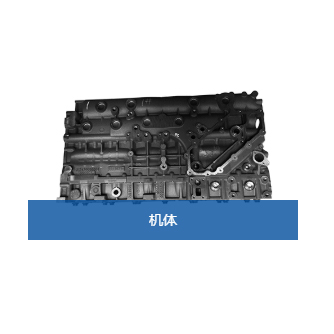
The powertrain serves as the beating heart of heavy machinery. Critical internal components include fuel injectors, turbochargers, pistons, crankshafts, and transmission gears. These parts operate under immense thermal and mechanical stress. When an engine loses compression or a transmission slips, the machine becomes useless.
Strategic procurement favors comprehensive solutions over piecemeal repairs. Utilizing a complete excavator engine overhaul kit reduces long-term labor costs. Replacing pistons, rings, liners, and bearings simultaneously ensures component synchronization. It resets the engine's lifecycle clock. Piecemeal replacement often leads to cascading failures, where a new high-pressure turbocharger blows out an old, weakened head gasket. Comprehensive kits minimize bay time and guarantee all mating surfaces match perfectly.
Electrical, Cab, and Control Parts
Heavy equipment now functions as a rolling computer network. This category includes pressure sensors, wiring harnesses, joysticks, Electronic Control Modules (ECMs), and HVAC components. Operators rely on these systems for precision grading, load weighing, and basic machine functionality.
The increasing complexity of equipment electronics frames a major maintenance problem. These parts are highly vulnerable to harsh job site conditions like vibration, moisture, and extreme temperatures. Replacing an ECM is rarely a simple plug-and-play operation. It requires software compatibility and dealer-level diagnostic tools for calibration. Sourcing reliable electrical components demands strict verification of weatherproofing standards, such as IP67 ratings, and exact connector pin configurations.
Attachments and Work Tools
Attachments dictate a machine's versatility. This category covers hydraulic breakers, earth augers, demolition grapples, and specialized screening buckets. These tools transform a standard excavator or skid steer into a multi-purpose asset.
Matching the tool to the carrier machine prevents severe operational risks. Auxiliary hydraulic flow, measured in Gallons Per Minute (GPM), must align with the attachment's requirements. Supplying too much flow to a hydraulic breaker destroys its internal seals. Supplying too little flow results in weak performance. Procurement teams must verify operating pressure settings, quick coupler compatibility, and pin-on dimensions before acquiring new work tools. Installing secondary auxiliary plumbing kits is often necessary to run complex attachments like rotating grapples, requiring additional valves, steel lines, and specialized joystick controls.
Evaluation Dimensions: OEM vs. Aftermarket vs. Remanufactured
Selecting the right parts category requires balancing immediate budget constraints against long-term machine performance. Each sourcing avenue presents distinct advantages and inherent trade-offs.
Part Category
Primary Advantage
Main Trade-off
Best Application
OEM Parts
Guaranteed fit and performance
Highest upfront cost
Critical electronics, high-pressure hydraulics
Aftermarket Parts
Competitive pricing and availability
Variable quality control
Wear parts, routine filters, older fleets
Remanufactured Parts
Near-OEM reliability at reduced cost
Requires core exchange logistics
Engines, transmissions, main pumps
Original Equipment Manufacturer (OEM) Parts
OEM components come directly from the machine's original builder. They guarantee exact fitment and adhere to strict metallurgical standards. Using OEM parts results in predictable performance and preserves the machine's resale value. Standard factory warranties provide peace of mind. However, these parts carry the highest upfront cost. Depending on the manufacturer's global distribution network, supply chain bottlenecks can occasionally delay critical shipments. Dealership networks prioritize OEM parts, ensuring that factory-trained technicians have exactly what they need to turn wrenches efficiently.
Aftermarket Construction Equipment Repair Parts
Third-party manufacturers produce aftermarket components. These construction equipment repair parts offer broader availability and highly competitive pricing. They are ideal for older fleets or non-critical applications where OEM investment makes little financial sense. The primary risk lies in quality variance. The market contains both premium engineered components and low-quality counterfeits. Buyers must rigorously vet the manufacturer's engineering standards, ISO certifications, and raw material specifications before purchasing. High-quality aftermarket suppliers often reverse-engineer OEM parts to correct known factory flaws, sometimes offering a superior product for specific applications.
Remanufactured (Reman) Components
Remanufactured parts offer a strategic middle ground. These are factory-restored components like hydraulic pumps, engines, and transmissions. They provide near-OEM reliability at a significantly reduced cost. This pricing model relies on core exchange programs, where the buyer returns the broken unit for rebuilding. Success depends entirely on the remanufacturer's testing protocols. Buyers must demand verifiable testing documentation, such as dyno test results for engines or flow bench reports for hydraulic pumps, and warranties equivalent to new parts. A true remanufactured part is completely disassembled, cleaned, magnafluxed for cracks, and machined back to original factory tolerances.
Navigating a Construction Machinery Parts Catalog for Procurement
Part Numbering Systems and Cross-Referencing
Accurate procurement starts with decoding OEM part numbers. Manufacturers constantly update their components, leading to part number supersessions. A part number from a 2015 manual might be obsolete, replaced by a newer, improved version. Procurement teams must track these supersessions accurately. Cross-referencing OEM numbers with aftermarket equivalents requires precision. Relying on visual similarity rather than exact serial numbers, machine prefixes, and model year compatibility is a massive risk. A hydraulic cylinder might look identical but feature a slightly different stroke length, rendering it useless. Utilizing a digital construction machinery parts catalog ensures you are viewing the most current diagrams and part numbers for your specific iron.
Integrating Telematics with Parts Procurement
Modern fleet managers leverage machine telematics to transform procurement from reactive to proactive. Telematics systems provide predictive maintenance alerts based on real-time sensor data. If an excavator shows rising hydraulic temperatures, managers can identify failing components before they break. Leveraging this data allows teams to proactively search for construction machinery parts and order long-lead items ahead of time. This minimizes unplanned downtime and keeps projects on schedule. Integrating fault codes directly into the purchasing workflow allows mechanics to have the right sensors, harnesses, or valves waiting in the shop before the machine even leaves the dirt. Furthermore, combining telematics with Scheduled Oil Sampling (S-O-S) fluid analysis provides a clear window into internal component health. High copper levels in a transmission fluid sample indicate imminent clutch disc failure, prompting the immediate procurement of a rebuild kit before the transmission locks up entirely.
Assessing Compatibility and Tolerances
Verifying technical specifications before issuing a purchase order prevents costly installation delays. This is especially true for critical structural repairs. Buyers must assess dimensional tolerances, load capacities, and material grades. If a replacement boom pin is machined a fraction of a millimeter too small, it will vibrate under load, eventually destroying the linkage housing. Establishing a strict compatibility framework ensures that every ordered part integrates seamlessly with the existing machine architecture. Mechanics should use micrometers and calipers to verify the dimensions of incoming parts against the worn components they are replacing.
Sourcing Strategy: Vetting a Heavy Equipment Parts Supplier
Supply Chain Transparency and Inventory Availability
A supplier's value is defined by their ability to deliver parts when machinery is down. Evaluate the vendor's warehouse footprint and historical fill rates. A reliable heavy equipment parts supplier maintains deep inventory for critical components. Assess their ability to expedite shipments during emergency Vehicle on Ground (VOG) scenarios. Supply chain transparency matters. Knowing exactly where a part ships from allows fleet managers to calculate accurate downtime windows and adjust project schedules accordingly. Drop-shipping capabilities from manufacturer warehouses can also cut days off delivery times.
Freight Logistics and Shipping Costs
Heavy equipment components incur massive freight expenses. An undercarriage track group or a complete diesel engine weighs thousands of pounds. Evaluate suppliers based on their regional distribution centers and negotiated Less Than Truckload (LTL) freight rates. High shipping costs can easily negate the savings of a cheaper aftermarket part. Efficient freight logistics directly impact the overall lifecycle expenses of the machinery. Vendors with optimized shipping networks, access to hotshot trucking, and clear weight limit guidelines provide significantly better long-term value.
Quality Assurance and Warranty Policies
Defective parts cause double downtime. The supplier must offer clear, documented return policies and streamlined warranty claim processes. Proof of quality management standards protects buyers against defective manufacturing batches. If a replacement hydraulic pump fails within a week, the supplier must stand behind their product. A robust warranty policy indicates that the vendor trusts their own sourcing and quality control protocols. Look for suppliers who cover labor claims in addition to part replacement if a component fails prematurely due to a manufacturing defect.
Technical Support and Engineering Expertise
Procurement is rarely just about moving boxes. Evaluate whether the supplier provides in-house technical support. Complex installations often require expert guidance. A vendor with engineering expertise can assist with fluid analysis interpretation, core return evaluations, and failure diagnostics. If a machine repeatedly destroys a specific bearing, a knowledgeable supplier will help diagnose the root cause rather than simply selling another replacement part. Access to schematics, torque specs, and installation manuals adds immense value to the purchasing relationship.
Conclusion
Audit upcoming preventative maintenance schedules to identify high-turnover filters, fluids, and wear parts needed for the next quarter.
Integrate machine telematics fault codes directly into your parts ordering workflow to secure replacement components before catastrophic failure occurs.
Request competitive bids and detailed capability statements from prospective parts suppliers to verify their LTL freight logistics and regional warehouse footprint.
Establish a clear internal policy dictating when to use OEM versus aftermarket components based on the specific machine system and operational criticality.
FAQ
Q: What are the most frequently replaced construction machinery parts?
A: The most frequently replaced items include routine maintenance consumables like air, oil, and hydraulic filters. Ground Engaging Tools (GET) such as bucket teeth and cutting edges also require constant replacement due to abrasion. Undercarriage components on crawler machines and various hydraulic seals are also high-turnover items.
Q: How do I find the correct part number for my heavy equipment?
A: Locate the machine's data plate to find the exact model and serial number prefix. Use this information to navigate the manufacturer's digital parts catalog. Because manufacturers frequently update components, the serial number ensures you find the exact part version installed on your specific machine.
Q: Is it safe to use aftermarket construction equipment repair parts?
A: Yes, it is safe for non-critical applications or consumable wear items, provided you vet the supplier's quality standards. However, exercise strict caution when sourcing high-pressure hydraulic components, internal engine parts, or proprietary electronics, where exact OEM tolerances are critical for safety and performance.
Q: What is included in a standard excavator engine overhaul kit?
A: A comprehensive kit typically includes pistons, piston rings, cylinder liners, main bearings, and rod bearings. It also contains thrust washers and complete upper and lower engine gasket sets. These kits provide all necessary components to completely rebuild the engine block and restore factory compression.
Q: How do I evaluate a new heavy equipment parts supplier?
A: Focus on objective metrics. Evaluate their historical order fill rate, the clarity of their warranty terms, and their core return policies for remanufactured parts. Assess their freight capabilities, regional warehouse footprint, and the availability of in-house technical support for complex diagnostics.
Q: Can remanufactured parts provide the same lifespan as new OEM parts?
A: Yes. True remanufactured parts are completely disassembled, cleaned, and machined back to original factory specifications. They are rigorously tested under load before sale. This process allows them to match OEM lifespans, unlike parts that are merely repaired or patched.